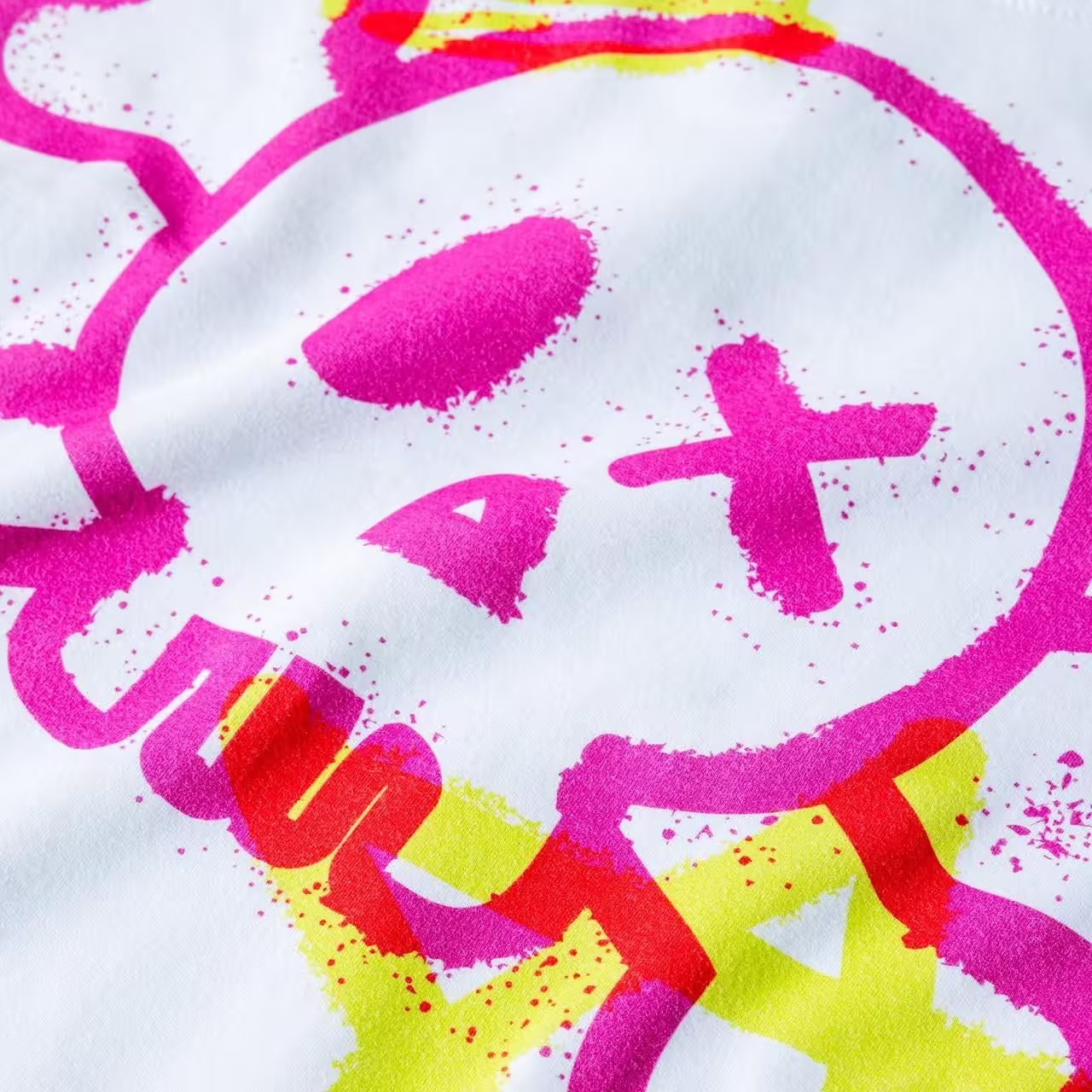
All-over print apparel is clothing where the design runs across the whole garment, from sleeve to hem, instead of sitting in one small patch. You can design seasonal pieces for India's heat, monsoon and mild winter, then sell them one at a time with no bulk stock. Print-on-demand means each piece is made only after a customer orders it, so your money stays free while you test what people actually want.
What is all-over print, and why does it suit India's seasons?
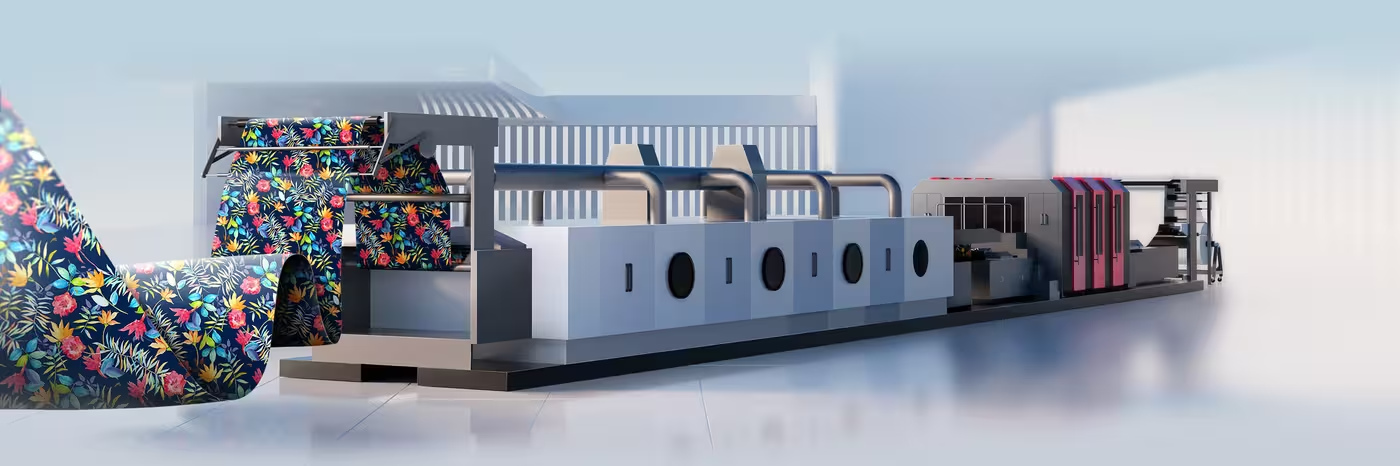
All-over print (AOP), also called cut-and-sew or full print, is a printing technique where the design covers the entire garment surface, sleeves and seams included. The fabric is printed flat first, then cut and sewn into the finished piece, which is why the pattern can wrap around every panel. This full print technique gives you a large canvas for bold art, and it reads as more premium than a small chest graphic. For a country with such varied weather, that big canvas lets you match a design to the mood of each season.
How does India's climate shape your seasonal designs?
India is not one single climate. The south stays warm and humid, the north swings from a fierce summer to a proper cold winter, and the monsoon rolls across most of the country between June and September. Good seasonal design starts with the feeling of the moment, then the fabric that carries it.
Think about what your buyer wants to wear right now:
- Summer (March to June): light, breathable pieces in tropical botanicals, ocean blues and citrus shades that feel cool to the eye
- Monsoon (June to September): playful, moody prints on quick-dry fabric that shrugs off sudden rain
- Winter (November to February): warmer tones, cosy textures and fuller coverage for the northern chill
- Festive stretches: rich, celebratory patterns timed around Diwali and the wedding season
Match the design energy to the weather, and your drop feels timely instead of random.
Which fabrics work best for each season?
Fabric choice decides comfort, print vibrancy and how the piece survives a wash. For hot months, all over print on cotton breathes well and feels soft against the skin. For humid or rainy spells, all over print on polyester takes sublimation beautifully, giving sharp colour that resists cracking and peeling.
Here is the simple split most Indian sellers use:
- Breathable cotton AOP for peak summer comfort
- Vibrant polyester AOP for monsoon durability and bold colour
- Blends when you want a middle ground on feel and finish
Our guide on cotton versus polyester for all over print goes deeper on colour and comfort if you want the full comparison. A breezy summer piece like the AOP Kaftan, ₹439 shows how a light, flowing cut pairs with a full print for the hottest weeks.
How do you prepare artwork so the print wraps cleanly?
AOP rewards clean files. Because the design covers the whole garment, any low-resolution image will pixelate the moment it is blown up. Start with artwork at 300 DPI and size it to the supplier's template before you fall in love with the design.
A few habits save you from ugly white edges:
- Add a bleed margin of roughly 1 to 3 cm on every side so the print runs past the cut line
- Keep faces, logos and key text away from seams, since a slight shift there is normal in cut-and-sew
- Build on the full cutting-and-sewing template your supplier provides
- Check the design with a realistic mockup before you commit to production
Our checklist on preparing print-ready artwork for t-shirts walks through file formats, DPI and placement in simple beginner steps.
How do you launch seasonal drops without bulk inventory?
This is where print-on-demand shines for a first-time label. You upload the design, list the product, and the piece is printed and shipped only after someone buys it, following the AOP process from artwork to parcel. No guessing how many kaftans or hoodies to stock before the season even begins.
The rhythm looks like this:
- Pick one season and a tight theme
- Design two or three pieces that share a colour story
- Order a sample and judge it in daylight
- List the winners and let real orders guide the next drop
Because everything at Oowia happens under one roof, from knitting and dyeing to printing and garmenting, quality stays controlled end to end and turnaround tends to be quicker. Orders also ship as a single parcel from one location, so your customer avoids split shipments and extra hassle. If you sell through social, our post on selling printed apparel on Instagram without bulk stock fits neatly beside this approach.
What should you check on a sample before a big season?
A mockup on screen can mislead you. The real fabric, colour and fit only show up in your hands, so always order one sample before you scale a seasonal design. Wear it, wash it once, and film it in natural light.
Look closely at these points:
- Does the print cover edge to edge, with no awkward white streaks near the armpits?
- Does the colour in daylight match what you approved on screen?
- Does the fit sit the way you described it on the product page?
- Does the pattern line up well enough across the main seams?
Catch a dull colour or a low print placement now, and you fix the file before customers ever see the flaw.
Quick questions beginners ask
Can I really start with just one design? Yes. Print-on-demand lets you list a single piece and produce it only when it sells. That keeps your risk tiny while you learn which season and style your audience prefers.
Do I need to be a designer? No. You can commission artwork or begin with simple bold patterns and gradients that suit full coverage. The template and bleed rules matter more than fancy drawing skills.
Will the colours fade after washing? On polyester, sublimation dye bonds into the fibre, so it resists cracking and peeling through many washes. Cotton AOP uses reactive or pigment inks, and a gentle first wash keeps it looking fresh.
Key takeaway
Seasonal all-over print apparel lets you ride India's weather without the risk of dead stock. Design for the feeling of each season, pick the fabric that suits the climate, keep your artwork high-resolution with a proper bleed, and let print-on-demand handle production one order at a time. Start small, sample honestly, and grow the pieces people actually buy.