Custom hoodies and sweatshirts are both winter merch, but they solve different problems for an Indian brand. A hoodie is the casual, outdoor layer that suits young audiences, campus drops and hill-station offsites, while a sweatshirt is the cleaner, desk-friendly layer that works for corporate gifting, client-facing teams and air-conditioned offices. If you are launching your first winter drop, pick the one that matches how your buyer will actually wear it, then add the second style once you have proof of demand.
What Is the Difference Between a Hoodie and a Sweatshirt?
A hoodie is a knitted winter top with a hood, and most pullover styles also carry a kangaroo pocket. A sweatshirt is a similar warm layer with a crew neck and a cleaner silhouette. Both can be made in cotton, cotton blends, terry or fleece, and both can carry prints, embroidery, labels and packaging. The difference shows up in how people wear them.
A hoodie feels young, relaxed and outdoor-friendly. A sweatshirt sits closer to smart-casual, so it layers easily over a collared shirt. That small difference changes your artwork, your pricing and your customer's reason to buy.
A hoodie with a large back print can look like streetwear. A sweatshirt with a small chest logo can look like a team uniform. If you are building a capsule, you can develop a hoodie, a sweatshirt and a jogger in compatible fabrics so the collection looks related.
The hoodie manufacturing process usually involves pattern development, fabric selection, sampling, printing or embroidery, stitching, quality control and packing. A beginner brand does not need to learn every step. You do need to know which style your buyer will reach for on a cold morning.
Which One Suits Indian Winters and Air-Conditioned Offices?
India does not have one winter. Delhi NCR, Chandigarh, Jaipur and Lucknow get genuinely cold in December and January. A hoodie there gets worn outdoors, on the commute and at home, which gives your logo more visibility. Bengaluru, Hyderabad, Pune and Chennai have milder winters, but many offices run cold air-conditioning all year. A sweatshirt worn at the desk often makes more sense in those cities.
Mumbai barely has a winter, so a sweatshirt for office and travel is usually the easier sell. This is why a single style rarely suits a distributed team. If your buyers are spread across regions, split the order by city or let people choose their style on the size form.
A winter buyer's guide makes the same point for corporate orders: pick hoodies for outdoor offsites, sports days and colder cities, and pick sweatshirts for office wear, mixed-age teams and client-facing roles. For a fashion brand, the climate question is also a styling question.
A North India drop can lean into heavier fabrics and oversized fits. A South India drop can lean into lighter layers that work in air-conditioned spaces. Neither choice is wrong. The wrong choice is guessing.
Which Winter Merch Fits Each Oowia Persona?
Different buyers come to winter merch for different reasons. Here is how the hoodie versus sweatshirt decision changes across the five personas Oowia works with.
- Entry-level fashion designer: Start with one hoodie silhouette in two colours if your brand speaks to a young, streetwear-leaning audience. Use a chest print or a small back print, order a sample, and test the fit before you scale. A sweatshirt is the safer second style if you want a cleaner look that can sit beside T-shirts and joggers.
- Instagram or influencer-led creator: A hoodie films well. It has a hood, a pocket and a relaxed shape, so it reads clearly in reels and photos. A sweatshirt works better for desk content, styling videos and relatable everyday outfits. If your audience is young, lead with the hoodie. If your audience is young professionals, lead with the sweatshirt.
- B2B buyer procuring staff uniforms: Choose sweatshirts for client-facing teams, sales staff and office teams. Choose hoodies for field teams, outdoor crews, event staff and winter offsites. A mixed order can work if you collect sizes and style choices in one form.
- B2B dealer or wholesaler buying for resale: Stock both styles if your retail buyers serve different customer groups. Hoodies move well with college students, gym audiences and youth fashion buyers. Sweatshirts move well with corporate buyers, families and older customers. Keep your colours simple so the stock is easy to reorder.
- Working professional building a side hustle: Pick one style, one or two colours and a small first run. A hoodie gives you a stronger statement piece for social media. A sweatshirt gives you a safer product for gifting and office wear. Low minimums at Oowia let you test without betting on a full warehouse of stock.
Oowia handles knitting, dyeing, printing and garmenting under one roof. That matters for winter merch because a hoodie has more parts than a T-shirt: hood, pocket, rib, drawcord and sometimes a zipper. When one facility controls those parts, you get better consistency across sizes and colours. You also get one parcel per order instead of split shipments from different vendors. For a dealer or a corporate buyer, that single-location shipping saves both freight cost and follow-up.
How Should a Beginner Brand Choose Between Hoodies and Sweatshirts?
Use a simple decision checklist before you order.
- Look at where your customer spends winter. If they are outdoors, commuting or travelling to hill stations, a hoodie earns its place. If they are in an office or a cold air-conditioned workspace, a sweatshirt earns its place.
- Match the garment to your brand's visual language. Streetwear, campus and gym brands usually look natural in hoodies. Minimal, corporate and premium basics brands usually look natural in sweatshirts.
- Check your artwork. A hoodie gives you a large back canvas and a kangaroo pocket that can interrupt a front print. A sweatshirt gives you a clean front panel for a chest logo, a back print or a sleeve mark.
- Order a sample in the exact fabric and fit. Wear it. Wash it. Check the hood shape, the rib recovery, the pocket placement and the print. A sample is the cheapest way to avoid a bulk mistake.
- Plan a small first run. Print-on-demand lets you start with low minimums, so you can test one style before you commit to both. If you are unsure whether to hold stock or produce on demand, read this guide to print-on-demand versus bulk manufacturing.
- Decide on one style or both. If your audience is spread across India, a two-style drop with a size and style form is often the most practical answer. If your audience is narrow, one style with two strong colours is easier to market.
A common mistake is choosing the style the founder likes best. The better question is simple: what will your buyer wear three times a week? That answer usually points to one clear winner for your first drop.
What Should You Print on a Hoodie or Sweatshirt?
Print placement matters more on winter wear because the garment has seams, pockets and a hood. Keep it to one or two placements. A small left-chest logo is the safest everyday choice. A centre-chest print works for events, but on a hoodie keep it above the kangaroo pocket so the artwork does not sit across the pocket seam.
A back print is good for an offsite name, a team slogan, a year or a large graphic. A sleeve mark works as a small secondary detail. Choose the garment colour first, then decide the logo version.
On navy, black or charcoal, a white or reversed logo usually looks cleaner. On grey or light shades, your standard colour logo generally reads well.
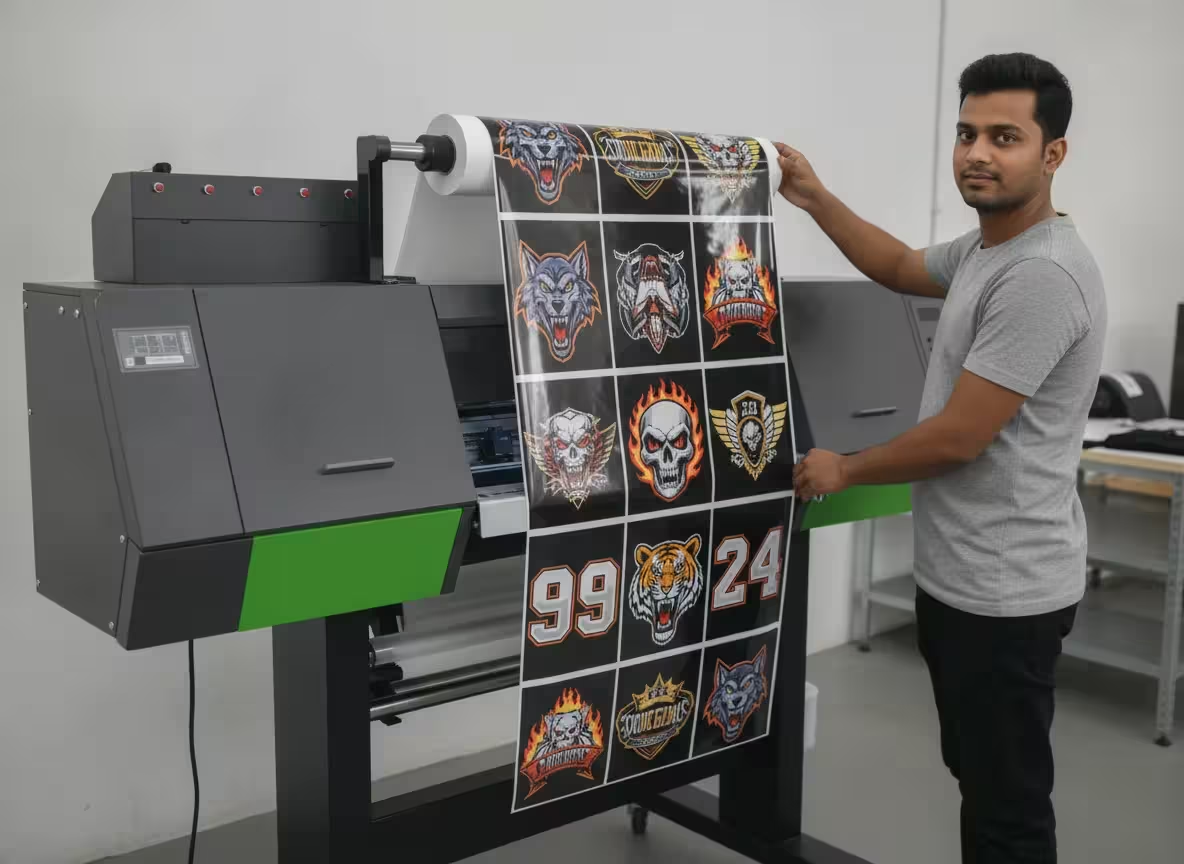
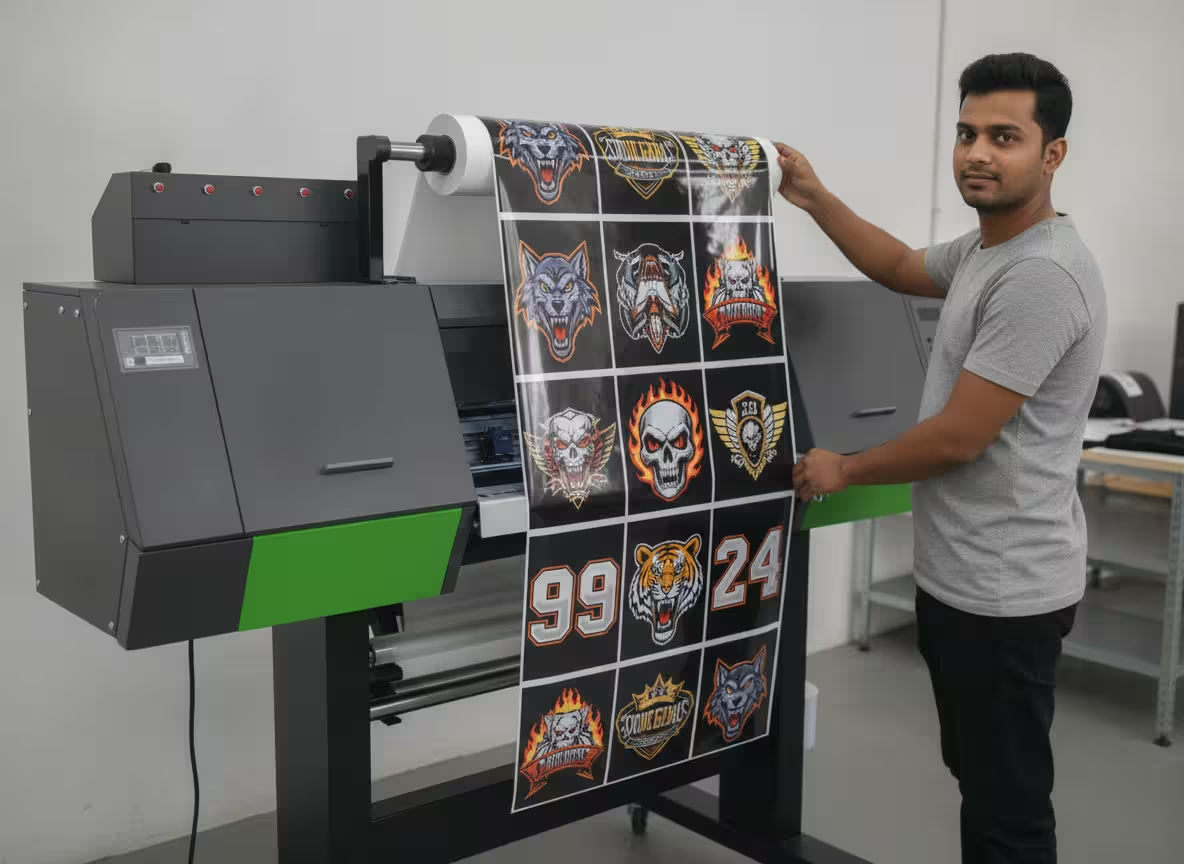
Oowia's in-house printing setup covers DTF, DTG, screen print, all-over print on cotton and polyester, vinyl, puff print, HD prints and glow-in-the-dark prints. For hoodies and sweatshirts, DTF is a practical choice for full-colour logos, gradients and fine text on both dark and light fabrics. All-over print works well when you want a bold fashion piece rather than a small logo. Puff print adds a raised texture that suits streetwear.
Screen print can be efficient for larger runs with simple artwork. The right method depends on your fabric, your design and your quantity. If you are still preparing files, this checklist on how to prepare print-ready artwork will save you a round of corrections.
For a simple start, the Men's Hoodie, ₹506 and the AOP Sweatshirt, ₹578 give you two different price points and two different looks. If your audience loves bold all-over artwork, the Men's All Over Printed Hoodie, ₹698 is the statement piece. Keep your first range tight. One strong graphic in two colours often sells better than six weak designs.
How Do You Sample and Check Quality Before a Winter Drop?
A winter garment has more failure points than a T-shirt, so the sample stage deserves real attention. Check the fabric weight and hand feel. Check the fit across chest, length, shoulder and sleeve. On a hoodie, check the hood shape, the pocket position, the drawcord and the rib. On a sweatshirt, check the neck rib, cuffs and hem.
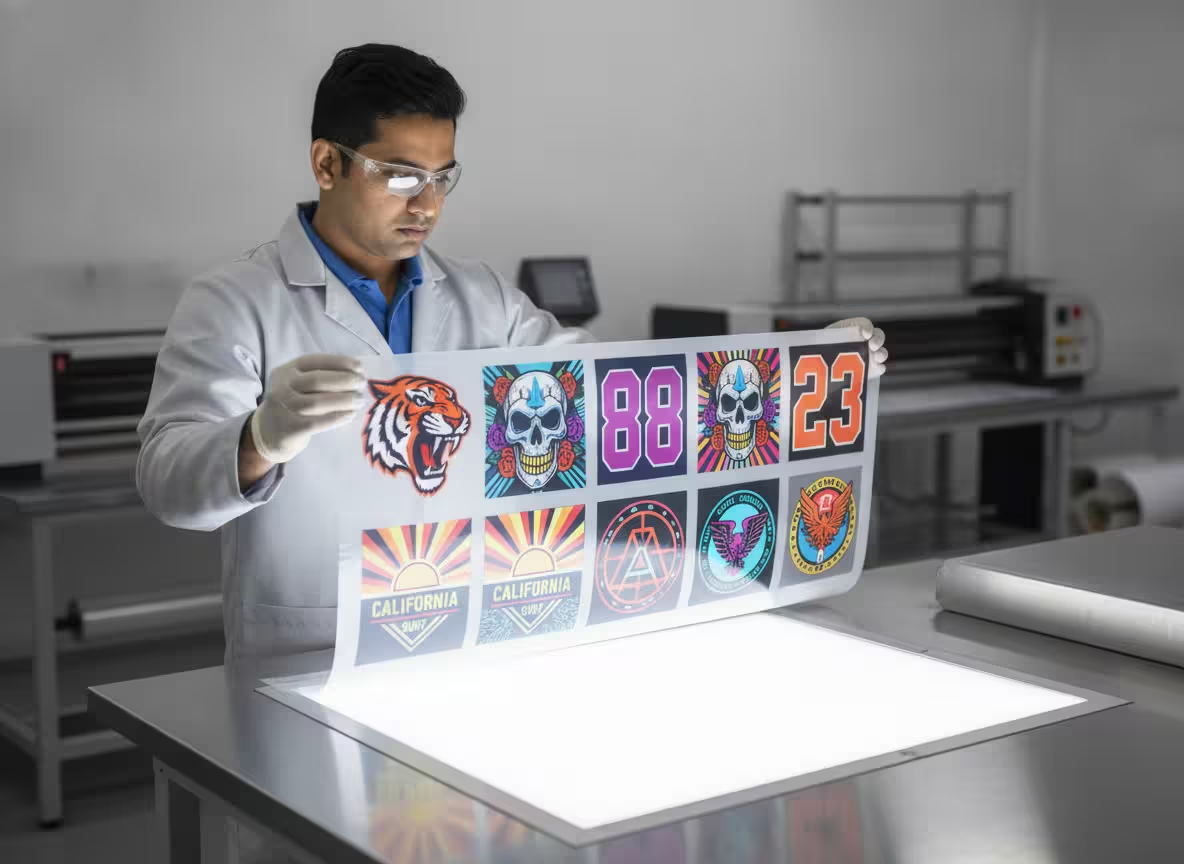
Then check the print or embroidery placement, the stitching, the labels and the packaging. A wash test helps you spot shrinkage, colour bleed, pilling, print cracking and rib recovery problems. You do not need a laboratory. You need to wear the sample, wash it the way your customer will, and look at it again.
This is where an in-house manufacturer earns its keep. Oowia controls fabric, dyeing, printing and garmenting, so quality is checked end to end instead of being passed between outside vendors. That reduces the chance of shade variation between hoodies, size inconsistency across a bulk order and print placement drift from piece to piece.
Consistency is a big deal in winter merch because customers often buy one piece and reorder later. If the second hoodie feels different from the first, the brand loses trust. Use this check print quality on a sample checklist before you approve a bulk run. It covers placement, colour, fit and packaging in plain language.
What About Pricing, GST and Ordering Timelines for Winter Merch?
Hoodies usually cost more than T-shirts because they use more fabric, more components and more stitching. A hoodie has a hood, a pocket, rib and sometimes a zipper or drawcord. A sweatshirt has fewer parts, so it often lands at a lower price for the same brand. That does not mean a sweatshirt is always the cheaper product to sell.
Your retail price depends on your positioning, your artwork and your channel. Bulk discounts can improve your margin as quantities rise, but the exact tiers depend on the product and the supplier. Ask for a quote with your style split, colour split and size split before you finalise your retail price.
GST is another number to plan for. According to a GST explainer cited by Printing Labs, garments priced up to ₹2,500 per piece attract 5% GST from 22 September 2025, while garments above ₹2,500 attract 18%. Knitted garments under HSN 61, which includes hoodies and sweatshirts, fall in this discussion.
Each piece is taxed on its own value, even when several pieces are on one bill. Confirm the current rate with your CA or the latest CBIC notification before you build your price list. If you are ordering staff uniforms or corporate gifts, read this guide to order custom printed staff uniforms in bulk for a fuller cost view.
Timelines matter most in November and December. Winterwear orders cluster around year-end offsites, festive gifting and new-year onboarding. Plan backwards from your delivery date. Collect sizes early, approve the mockup quickly, and leave a buffer for production and shipping.
If your team is spread across cities, share the full address list at the quote stage so the order can be planned as one dispatch. Oowia's single-location shipping helps here: your order leaves as one parcel instead of arriving in pieces from different vendors. Faster turnaround is possible because knitting, dyeing, printing and garmenting sit under one roof. Ask for a realistic schedule for your chosen style and quantity rather than assuming every product moves at the same speed.
What Is the Smart First Winter Drop for an Indian Brand?
The smart first drop is the one your buyer will actually wear. Choose a hoodie if your audience is young, casual, outdoor-leaning or campus-driven. Choose a sweatshirt if your audience is corporate, client-facing, office-based or shopping for gifting. If your audience is spread across India, launch both in small runs and let people choose their style. Keep your artwork simple, order a sample, check the print and fit, and price with GST and freight in mind.
Oowia is backed by Ambuja Knitting Mills, a 70-year-old B2B knitted fabric manufacturer, and that heritage shows up in the way fabric and garment quality are handled. You get in-house quality control, consistent output, a wide range of fabrics and print methods, and low minimums that suit a first drop. You also get the option to customise far beyond a standard catalogue when your quantity supports it. Start with one style, learn from real orders, then add the second style when your customers ask for it. That is a calmer way to build winter merch than guessing at a warehouse full of stock.
