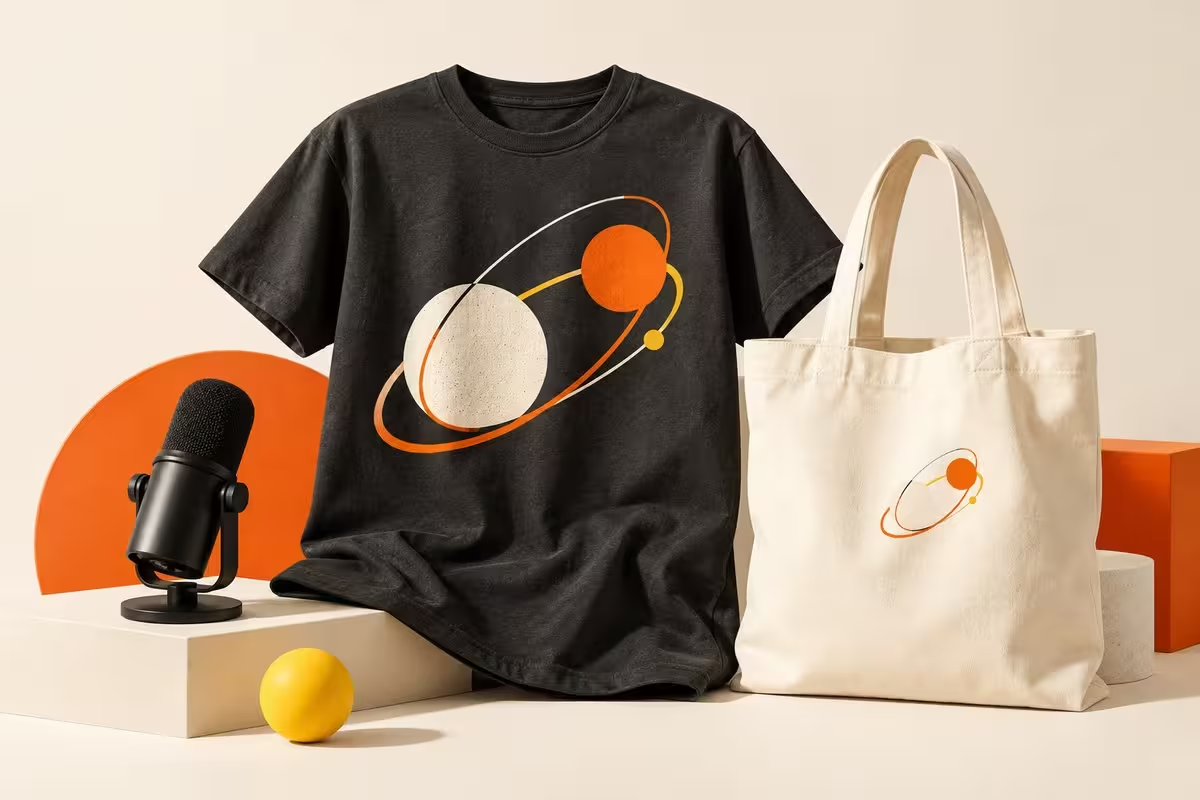
You can plan a festive merch drop in India with print on demand by locking your audience, picking wearable blanks, finalising print-ready art early and ordering samples before you open sales. Print on demand means each piece is printed only after you have a confirmed need, so you avoid dead stock and keep cash free for marketing. This guide gives you a simple ordering checklist that works for Diwali, Pongal, Eid, Christmas and college fest seasons.
What does a festive merch drop mean in print on demand?
A festive drop is a small, time-bound collection launched around a festival or season. You release a few designs, sell for a short window, then fulfil only what gets ordered. It creates urgency without the stress of unsold inventory.
In simple terms, print on demand is a production model where a product is printed or customised only after there is a confirmed requirement. That requirement could be an online order, a campus event, a campaign launch or a limited edition merch drop. The brand does not need to keep large quantities of finished stock in advance.
Oowia follows this model from its vertically integrated facility in India, where knitting, dyeing, printing and garmenting happen under a single roof. Oowia is owned by Ambuja Knitting Mills, a 70-year-old large-scale B2B knitted fabric manufacturer. That backing helps new creators trust the fabric and stitch quality behind a festive launch.
When should you start planning your festive drop?
Start earlier than you think. Festive demand spikes fast, and courier networks get busy. Give yourself room for design, sampling, photos and marketing.
A calm timeline has three blocks. First, lock concept and products. Second, test prints and take photos. Third, open sales and fulfil. If you leave sampling to the last week, you lose the chance to fix colour, placement or size issues.
Many creators plan one hero design and one or two support designs. A hero could be a Diwali diya graphic or a Pongal harvest motif. Support designs could be minimal chest prints or festive typography in regional languages. Keep the range tight so decisions stay quick.
For inspiration on launch timing and store setup, read this guide on selling printed apparel on Instagram without bulk stock before you fix your drop date.
Which products work best for festive drops?
The best festive products are the ones people actually wear during the season. T-shirts, polos, hoodies, caps, tote bags and cosy sweatshirts tend to perform well because they fit everyday life and gifting. For winter festivals, a fleece layer feels relevant. For summer festivals and college fests, light cotton tees get more repeat wear.
Think about use case first. A creator community might love oversized tees for a Garba night. A working professional running a side hustle might pick clean polo tees as festive team gifts. A B2B buyer ordering for staff might want uniform colours with a small festive chest mark.
Oowia gives you a wide set of blanks because fabric is made in-house. You could test an everyday option like Men's Premium Cotton T-Shirt, ₹159 for a low-priced festive tee, and add Men's Hoodie, ₹506 for a premium winter gift tier. Two price tiers often lift average order value without confusing buyers.
Keep sizes inclusive and colours festive yet wearable. Deep maroon, bottle green, mustard, black and off-white photograph well and suit diyas, fairy lights and marigold backdrops.
How do you pick the right print method for festive designs?
Choosing the wrong printing method is one of the fastest ways to spoil a merch project. Each method suits a different fabric, design style and quantity. A little clarity here saves reprints.
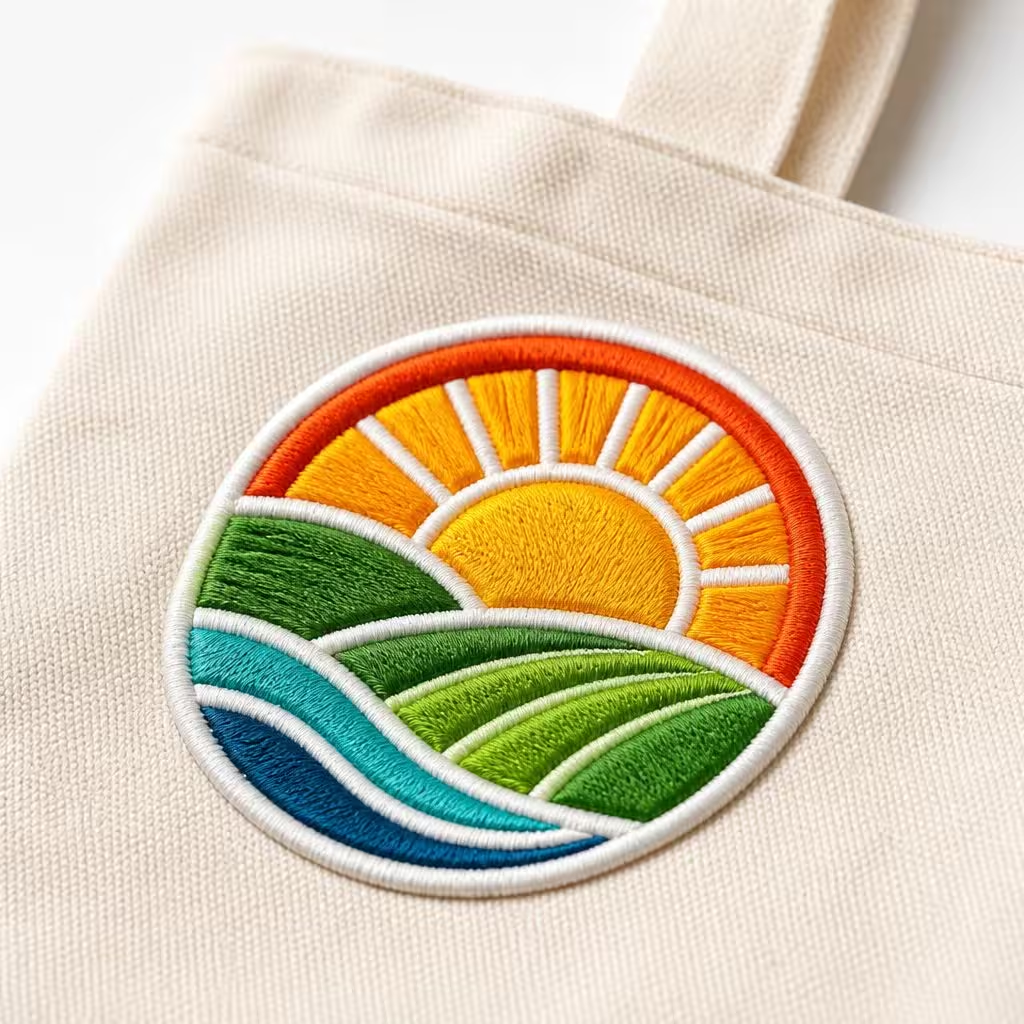
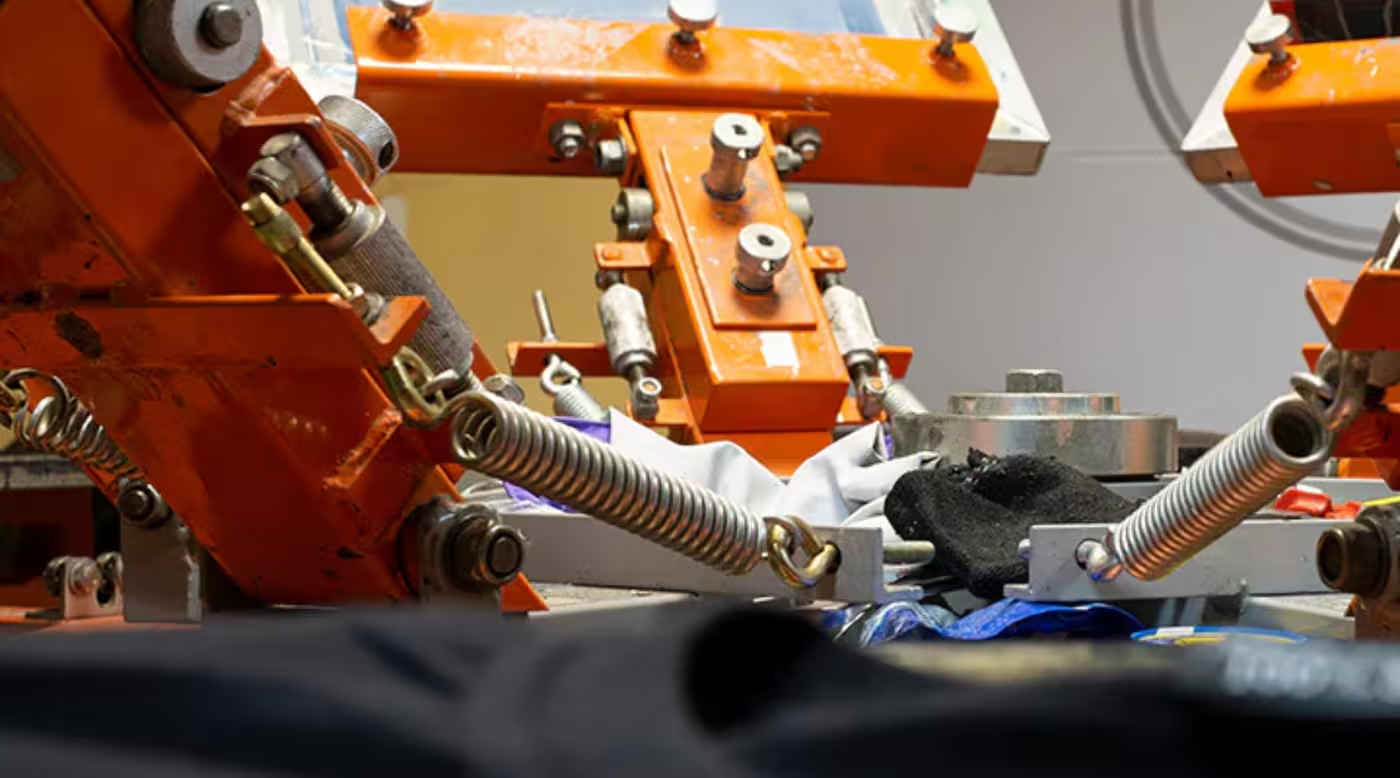
Direct to garment printing is useful for detailed artwork and small runs on suitable cotton fabrics. DTF works well for vibrant graphics and flexible quantities, especially for bold festive colour pops. Screen printing is strong for bulk orders with fewer colours, like staff tees with a single logo.
Embroidery gives a premium finish on polos, caps and jackets for corporate gifting. Sublimation is best for polyester and all-over prints where you want the pattern to flow seam to seam. For hard goods and gift items, UV printing and laser marking suit bottles, pens and desk accessories.
Oowia runs high-end Japanese, American and European digital machinery with options that include DTG, DTF, all-over print on cotton with reactive and pigment routes, all-over print on polyester, vinyl, puff print, screen print, HD prints and glow-in-the-dark prints. If you are unsure, compare methods in this breakdown of DTG versus DTF versus screen print for small batches and ask for a sample on your exact blank.
Festive art often uses metallics, fine lines and gradients. Those details look different on screen and on cloth. A physical sample shows you how gold behaves on black, how white holds on deep red, and how puff or HD ink feels to touch.
What should your festive ordering checklist cover?
A checklist keeps a festive drop calm. Use this sequence for every drop, whether you sell ten pieces or a few hundred. It covers design, product, quality and delivery in one place, a habit recommended in this practical guide for brands.
- Define audience and occasion. Write one line: who is this for and where will they wear it. Example: hostel friends for a Diwali party, or Instagram followers who love Tamil typography.
- Pick one to three products people will reuse. Avoid launching six blanks at once. Start with a tee plus a winter or accessory layer.
- Lock print method by fabric and artwork. Detailed photo style art leans to DTG. Solid festive graphics lean to DTF or screen. All-over festive patterns need sublimation or reactive all-over routes.
- Finalise print files and placements. Keep chest logos, back prints, sleeve marks and neck labels as separate files. Keep the design simple enough to reproduce well at actual print size.
- Confirm colours, sizes and addresses early. Share a size chart, fix thread and fabric colours, and collect delivery pin codes before you promise dates.
- Order a wearable sample. Check fit, feel, colour and wash behaviour. Wear it once, wash it once, photograph it in daylight.
- Plan packaging and unboxing. A festive sticker, thank-you card or simple gift wrap lifts perceived value. With Oowia, orders ship as one parcel from a single location, which helps you avoid split-shipment costs.
- Set a realistic order window. Close sales with a buffer for production and festive courier load. Publish the last order date clearly on Instagram and your store.
Work through the list on paper before you upload anything. Creators who do this catch spelling errors, wrong colour codes and missing sizes before customers do.
How do you avoid late delivery and quality surprises?
Festive buyers judge the parcel, not the process. The product should be correct, clean, well packed and on time. If it is personalised with names, accuracy matters even more.
Quality control is easier when one team owns the full chain. Because Oowia manages fabric to finished garment in-house, shade, size and print behaviour stay more consistent across reorders. That consistency is a relief when your reel goes viral and you need a second batch to match the first.
Always check a sample with fresh eyes. Look at print edges, cracking, alignment and colour against your approved file. Feel the hand of the print. Check stitching around neck and shoulders. Smell for strong chemical odour, which signals poor curing or finishing.
Use a structured routine like this sample checking routine before approving bulk quantities to record what you approved. Take front, back, close-up and label photos of the approved piece. Share those photos with your supplier as the reference for the full drop.
For delivery, keep addresses clean and complete with phone numbers. Group orders by city where possible. Keep a small buffer for reprints. Tell customers the dispatch window in plain words and share tracking as soon as it is live.
How can different creators use the same checklist?
The same steps flex for different goals. An entry-level fashion designer launching a first label might use the festive drop to test two graphics on one silhouette. Low or no minimum quantity means you can start from a single unit and reorder only the winner.
An Instagram creator building a B2C brand might centre the drop on community language. Poll followers on colour, drop a teaser, then open pre-orders. The complete overview of fulfilment companies shows why testing with samples and clear timelines matters for creator-led stores.
A B2B buyer procuring staff uniforms for Diwali gifting can use the checklist to align sizes across teams, fix embroidery versus print, and confirm delivery to office and home addresses. A dealer buying for resale can test a small festive capsule, then scale the best colour and size ratio.
A working professional with a side hustle can keep it lean. One blank, one design, one sales window after office hours. Faster turnaround from a single-roof factory helps you close sales closer to the festival without holding cartons at home.
If you need highly specific fabric behaviour at scale, Oowia can develop custom asks for sufficient quantities. That near-unlimited customisation helps B2B buyers move beyond standard blanks when the order size supports it.
Your takeaway for a calm festive drop
A good festive drop feels simple to the buyer and controlled behind the scenes. Pick a clear audience, choose wearable products, match print method to fabric, approve a sample and promise delivery dates you can keep. Keep designs fresh each season so followers have a reason to return.
Start with one hero product, photograph it in real festive light, and let print on demand handle the rest. When quality, consistency and shipping stay steady, your energy stays on content and community. That calm is what turns a one-time festive buyer into a repeat customer for Pongal, Holi, Eid and beyond.
