Launching a clothing brand in India in 2026 can start from around ₹25,000 with print on demand, or around ₹60,000 to ₹1,40,000 for a realistic small batch launch with stock, photography, packaging and initial ads. Your final budget depends on your production route, number of styles, and how much you spend on branding and marketing before your first sale.
What Does It Cost to Launch a Clothing Brand in India in 2026?
A simple answer helps you plan better. A print on demand clothing brand in India can start with ₹25,000, while a small batch manufactured collection often needs ₹60,000 to ₹1,40,000 for a first launch. A fuller collection with more styles and larger quantities can move towards ₹2 lakh to ₹5 lakh.
These figures come from clothing brand in India guidance for 2026, and they make sense for beginners who want a clear starting point. You can keep your first step small, test your designs, and then invest more once you see real demand.
For global context, cost of starting clothing line guides also show that print on demand lowers upfront risk because you pay for production after an order comes in. In India, that same logic applies well for a first test.
How Do Print on Demand and Small Batch Manufacturing Compare on Cost?
Print on demand suits beginners who want to test ideas with low risk. You upload a design, a customer orders, and the product is made for that order. There is no bulk inventory to buy at the start, and the minimum order can be as low as 1 unit.
Small batch manufacturing gives you better margins when you are ready to hold stock. You order a set quantity of each style, keep it at home or in a small space, and ship orders yourself. The per piece cost can be lower, and you have more control over fabric, fit and finishing.
Here is a simple comparison to help you choose:
- Print on demand: Lower starting cost, no bulk stock, easier to test many designs, margin is usually lower per piece.
- Small batch manufacturing: Higher starting cost, better per piece pricing, more control over quality, some risk if a style does not sell.
- In house production: Highest starting cost, strongest control, best suited when you already know manufacturing well.
Oowia supports the print on demand route with a vertically integrated setup in India. Knitting, dyeing, printing and garmenting happen under a single roof, so quality control stays consistent from fabric to finished garment. That setup also helps with faster turnaround and single location shipping, so your order can arrive as one parcel.
What Should Your Beginner Budget Checklist Include?
Use this checklist before you spend anything. Write a realistic number beside each item, even if your first number is rough. A clear list stops small costs from adding up quietly.
- Samples: Order samples of your chosen products before you list them for sale. Check colour, fit, print placement and fabric feel in real life.
- First production or print on demand setup: For small batch, budget for your first inventory. For print on demand, budget for store setup, mockups and design tools.
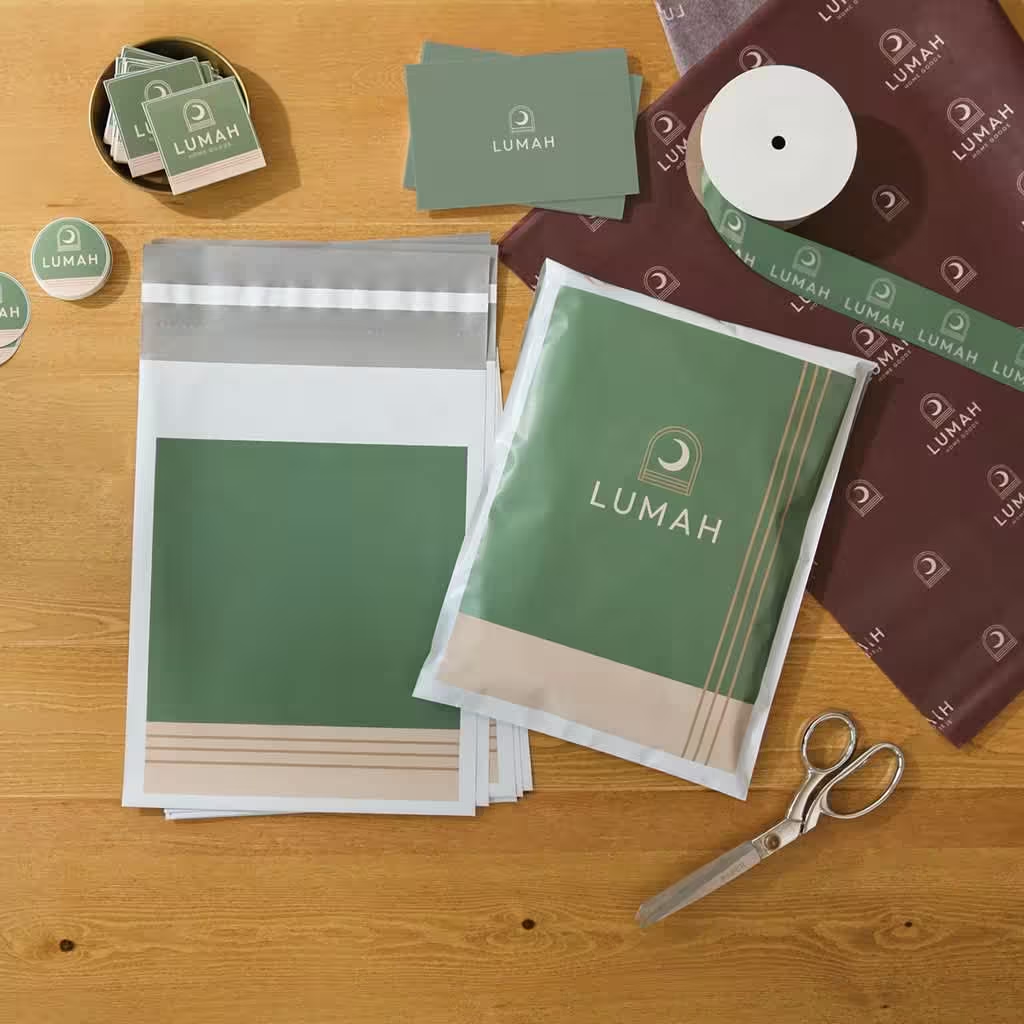
- Branding: Logo, brand colours, tags, thank you cards and basic packaging. Keep the first version simple and clean.
- Photography: Good photos help customers trust your product. You can start with natural light at home, then plan a small professional shoot for hero styles.
- Online store: Domain, store plan, payment gateway and shipping setup. Make sure UPI and COD options are clear for Indian buyers.
- Marketing test budget: Set aside a small amount for Instagram ads, influencer seeding or content creation in your first month.
- Legal basics: Sole proprietorship registration and free MSME Udyam registration cover most beginners at the start. Trademark filing can come in your first year.
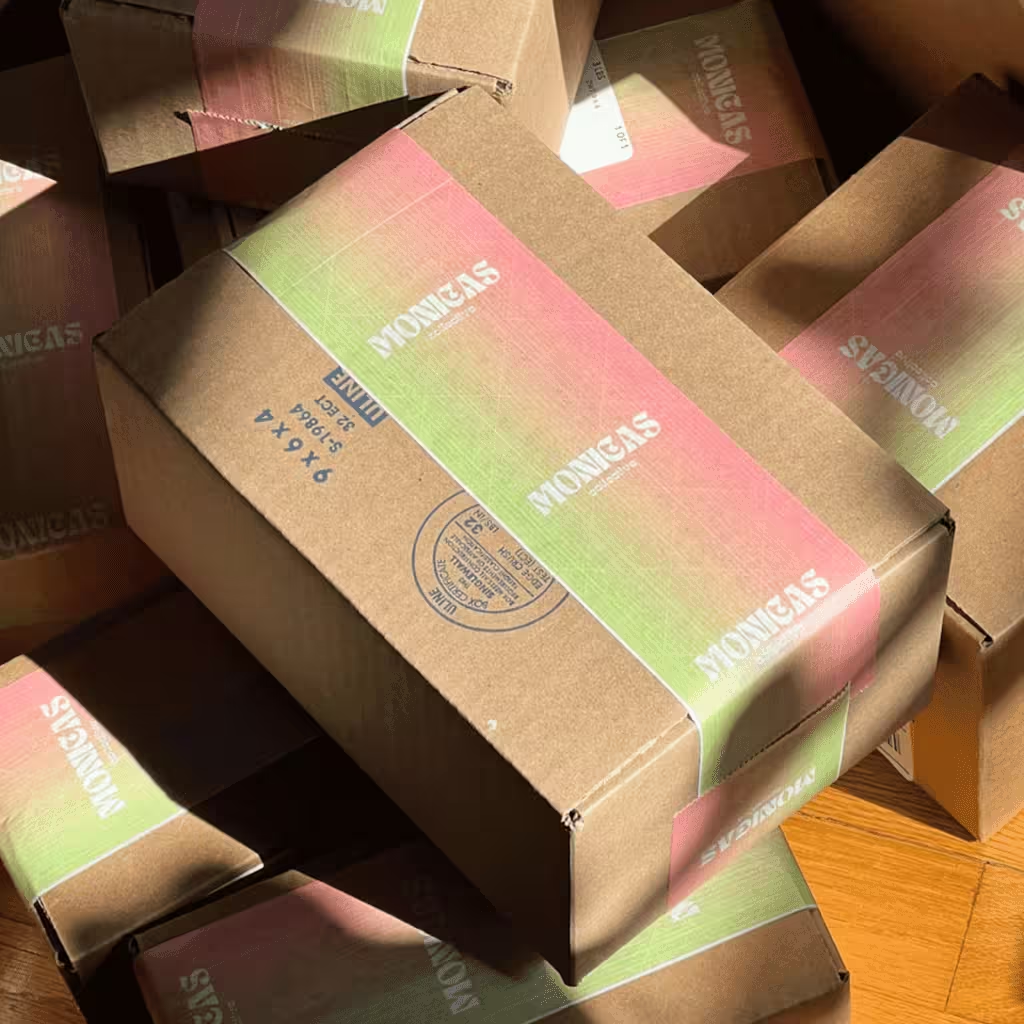
- Packaging and shipping: Mailers, tissue paper, stickers, labels and courier charges for your first orders.
- Buffer: Keep a small buffer for sample revisions, extra shipping or a second shoot.
If you want a step by step plan for the first month, read how to start a print on demand business in India and map each step to this checklist.
Which Products Should You Start With to Control Costs?
Start with two or three hero styles. That focus keeps sampling, photography and marketing manageable. You can add more styles after your first sales show what customers love.
For a print on demand test, products such as Men's Premium Cotton T-Shirt, ₹159 and All Over Printed T-Shirt, ₹388 give you clear price points to test with different designs. A Men's Oversized T-Shirt, ₹249 also works well for streetwear and college audiences who shop on Instagram.
Think about your niche first. Streetwear, ethnic inspired prints, athleisure, plus size fashion and sustainable cotton all attract different buyers. A sharp niche helps your photos, captions and ads speak to one clear customer.
Order a sample of each hero style. Wear it, wash it, photograph it and check it in daylight. If you plan a bulk order later, learn how to check print quality on a sample before you approve anything at scale.
How Can You Keep Launch Costs Low Without Cutting Corners?
Keep decoration simple for your first collection. A clean print or a small chest design often looks premium and costs less to produce than a complex all over design on every piece. You can test bolder designs later once you know your audience.
Use existing fabric options for your first run. Custom fabric development adds cost and time, and it suits a later stage when your brand is selling well. For now, choose from a wide range of fabrics, colours and sizes that a manufacturer already supports.
Consolidate your colours and sizes in one order when you move to bulk. Shared setup across colourways can lower per piece cost and reduce hassle. Keep your first size range focused, then expand sizes as orders grow.
Do your own early content where you can. Reels, try on videos and behind the scenes clips cost little and build trust. If you want ideas for selling without stock, see how to sell printed apparel on Instagram and build an audience before your launch day.
What Costs Do Beginners Often Forget?
Sampling often needs more than one round. Budget for at least one revision per style, because fit and print placement rarely feel perfect in the first sample. That extra round saves money later during bulk production.
Shipping and returns also need a line in your budget. Courier charges, packaging material and return handling can eat into margin if you ignore them. A clear size chart with measurements in cm helps reduce size related returns.
Marketing is another common gap. Many founders spend most of their budget on product and leave very little to tell customers the product exists. Reserve a fair share for launch content, ads and influencer seeding, even if you start small.
Ongoing monthly costs matter too. Store subscription, email tools, ad spend and fulfilment add up after launch. Plan for at least three months of basic running costs so you are not under pressure after your first drop.
Closing Takeaway: Where Should You Start First?
Pick a niche, choose two or three hero styles, order samples, and set a lean budget around ₹25,000 for a print on demand test or around ₹60,000 to ₹1,40,000 for a small batch launch. That approach lets you learn real customer behaviour before you commit to larger quantities.
Use your first sales as data. Reorder what sells, improve what customers ask for, and add new styles step by step. With consistent quality, clear pricing and honest photos, your first budget can become the base for a brand that grows steadily in India.
