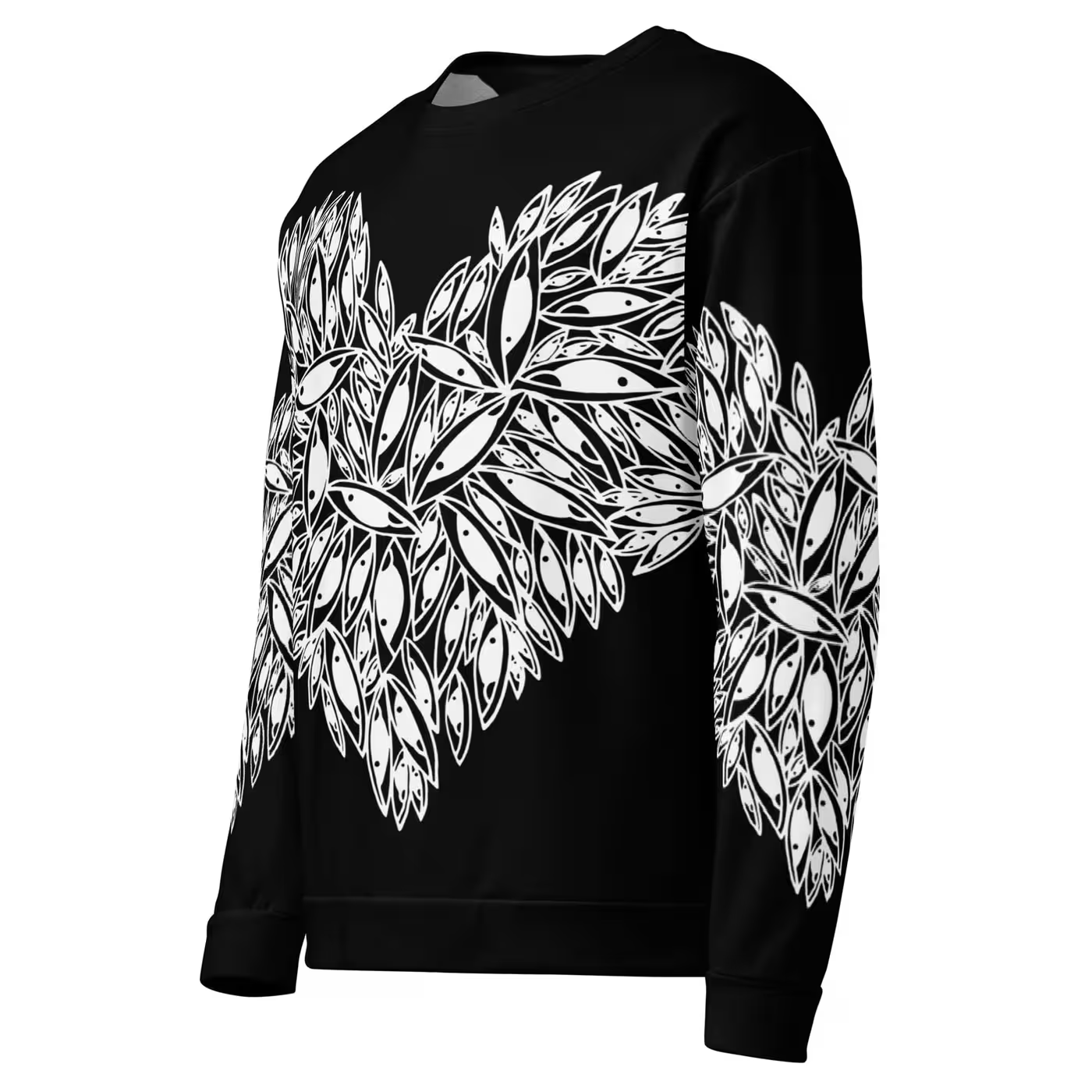
Yes, print-on-demand is still profitable in 2026, provided you treat it as a business with a clear niche and a sensible price. The easy money from generic designs has gone. The opportunity has moved toward specific audiences, premium products and reliable local production.
Is print-on-demand still profitable in 2026?
Print on demand is a fulfilment model where a product is printed and shipped only after a customer orders it. That definition matters because it explains both the appeal and the limit. You avoid upfront stock, yet you still need a reason for buyers to choose your design over thousands of others.
The market is still growing. Printful's market outlook notes that the global POD market was worth almost $11 billion in 2025 and is projected to reach $57 billion by 2033. Custom apparel makes up nearly 39% of that market. Asia Pacific is growing faster than North America, which is useful for Indian sellers who can serve local buyers and export later.
Profitability is not automatic. Average POD profit margins sit around 40%, with net margins usually lower after shipping, platform fees and marketing. A basic T-shirt might keep 20-35% net. A hoodie can keep 25-40%. Those ranges are healthy enough for a small brand, but only if you price with the full cost stack in view.
For Indian sellers, the model has an extra advantage. Local manufacturing, local courier networks and low minimum order quantities make it easier to test a design without blocking lakhs in inventory. That matters for a first-time designer, an Instagram creator, a dealer testing a new line or a working professional building a side business.
Where do print-on-demand profits actually come from?
Profit comes from the gap between your retail price and every cost attached to the order. The formula is simple: product base cost plus shipping plus platform fees plus marketing plus your margin equals the retail price. Miss one line and the margin disappears.

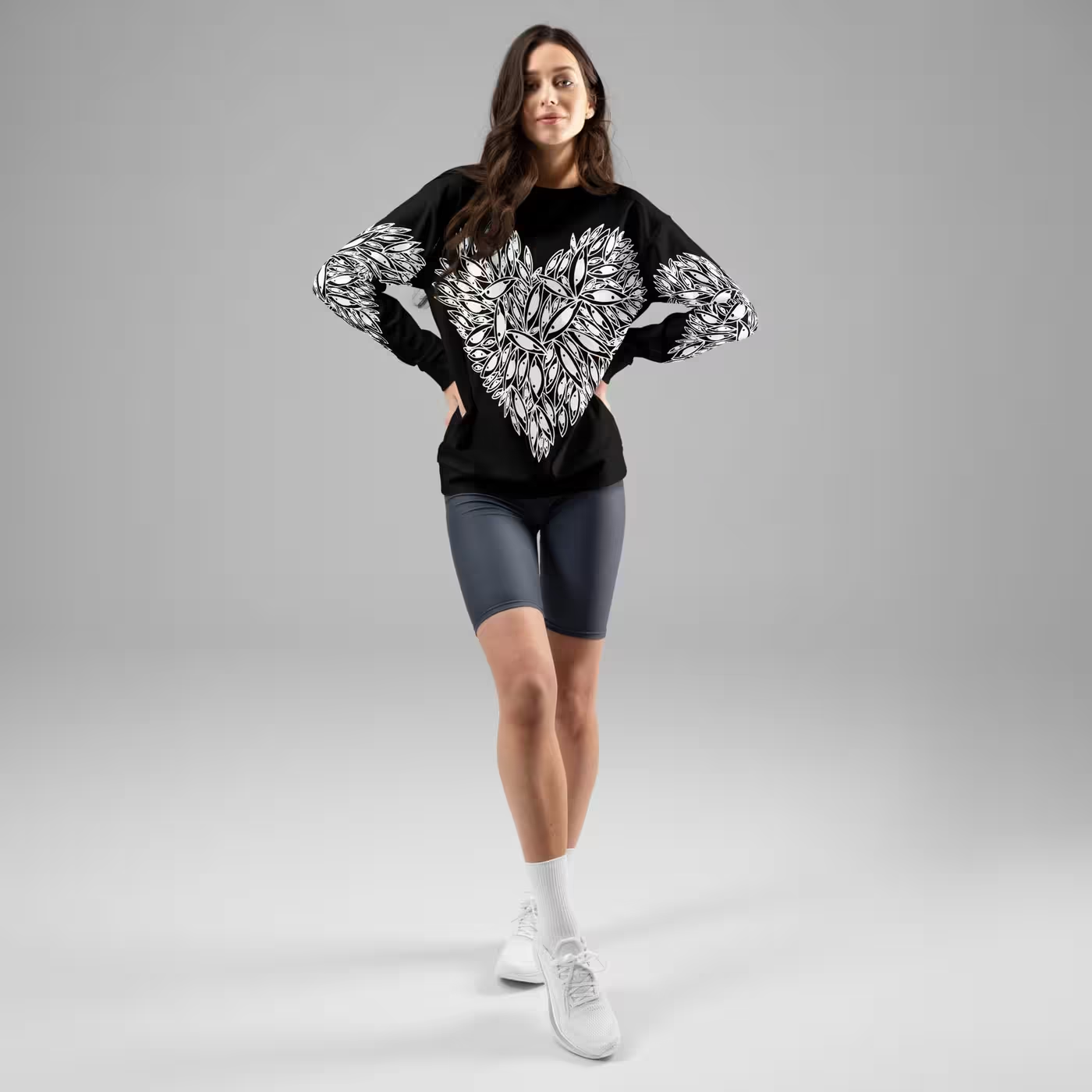
Product choice changes the rupee value of that gap. Yoycol's margin breakdown shows an all-over-print hoodie can net far more per sale than a basic tee, even when both carry similar percentage margins. The effort to make a sale is roughly the same. The payoff differs sharply.
That is why premium styles deserve a closer look. An All Over Printed T-Shirt at ₹388 gives a creator a differentiated product with full-surface artwork. An AOP Sweatshirt at ₹578 sits in a higher-value winter category. Both can carry a design that feels like a brand, instead of a logo dropped on a blank.
AOP products also reduce direct price comparison. A shopper can find a plain white tee on many stores. A well-designed all-over-print piece is harder to match, so the conversation moves from 'cheapest tee' to 'I like this print'.
Why do some POD sellers still struggle to make money?
The generic market is crowded. AI tools have made it easy to upload hundreds of similar designs. Marketplaces are full of clipart, quote tees and low-effort artwork. Buyers scroll past most of it.
Mockey's seller guide makes a useful point: POD is a fulfilment model, and the business sits in your product idea, audience and branding. If those pieces are missing, a supplier cannot fix the outcome.
Common margin killers include:
- Competing only on the lowest price
- Ignoring platform fees and payment charges
- Offering free shipping without building it into the price
- Ordering samples late, after the launch date is fixed
- Using one generic design across every product type
There is also the patience problem. Most sellers do not see steady income in the first month. A realistic window is a few months of testing, learning and improving. The sellers who last are usually the ones who study their own sales data and double down on what works.
How can Indian sellers protect their margins in 2026?
Start with a narrow audience. A broad label like dog lovers is hard to design for. A niche such as corgi owners in Bengaluru who buy matching accessories gives you a clearer design brief and a warmer audience. The narrower the audience, the easier it is to write product titles, captions and ads that feel relevant.
Then price for net margin. Use a simple sheet with columns for base cost, printing, shipping, platform fee, payment fee, ad spend and target profit. A margin checklist for resale can help you avoid the trap of a healthy-looking gross margin that leaves nothing at the end.
Keep the range tight at the start. Two or three products in one design language beat twelve unrelated items. A creator can test a tee, a hoodie and a crop top. A dealer can test one bestseller in two colours. A uniform buyer can sample one style before committing to a larger staff order.
Finally, treat shipping as part of the product experience. Split shipments cost more and confuse customers. A supplier that prints and ships from one location can send an order as one parcel, which is simpler for you and cleaner for the buyer.
What should you look for in a POD manufacturing partner?
Look for control over the production chain. When knitting, dyeing, printing and garmenting happen under one roof, quality checks can happen at each stage. That reduces the chance of shade variation, sizing mismatch and reprints. Reprints are quiet margin killers because they cost money and time.
Oowia is owned by Ambuja Knitting Mills, a 70-year-old B2B knitted fabric manufacturer. That background gives the team fabric knowledge from the yarn stage. The facility is vertically integrated, so a job does not bounce between unrelated vendors. For a small brand, that means fewer surprise gaps between the sample and the bulk order.
The printing range matters too. DTG, DTF, all-over print on cotton and polyester, vinyl, puff print, screen print, HD prints and glow-in-the-dark options cover most beginner ideas. A supplier with a wide fabric, colour and size range gives you room to grow without changing partners every season. You can read a fuller POD manufacturer checklist before you book a sample.
Everything under one roof also shortens the path from print to dispatch. For B2B buyers with sufficient volume, specific fabric requests can be discussed directly. That flexibility helps dealers, uniform buyers and growing labels plan products that fit their market.
Which products tend to carry better margins?
Higher-value apparel usually gives more room per sale. Hoodies, sweatshirts, dresses, joggers and all-over-print sets carry a higher retail price than a basic tee. They also invite more design storytelling, which supports premium pricing.
For a first drop, pick products that match your audience's daily use. A fitness creator can start with leggings and sports bras. A travel creator can test an AOP kaftan or sarong. A campus brand can begin with oversized tees and hoodies. A corporate buyer may prefer polo tees and full-sleeve tees for staff uniforms.
Do not ignore the humble tee. It is a low-risk entry product and a useful sample for checking print quality. The key is to avoid making it your only product if you want healthier rupee margins. Use it as the entry point, then add a higher-value style once you know your audience is buying.
How do you start small and test the model?
A simple first month plan:
- Pick one audience and one design theme.
- Order a sample in the product you plan to sell first.
- Check print placement, colour, fabric feel and stitching.
- Set a retail price that covers all fees and leaves a target margin.
- Launch to your existing audience or a small ad budget.
- Review sales, questions and returns before adding more designs.
This approach suits a side hustle because you do not need a warehouse or a large stock commitment. It also suits a B2B buyer who wants to test staff acceptance before a bigger uniform order. Dealers can use the same method to check which print styles move fastest in their local market.
What is the bottom line for 2026?
Print-on-demand is still profitable in 2026 for sellers who combine a specific niche, original designs and sensible pricing. Generic products will keep getting harder to sell. Premium and all-over-print styles, backed by a manufacturer that controls quality, give you a better chance of keeping a real margin.
In India, the model is especially practical because low minimums, local production and single-location shipping reduce the cost of testing. Start with one audience, one sample and one clear price. Then let the sales data tell you what to scale.
